
What Is Activate Games Floor? (Interactive Gaming System Explained)
Learn how Interactive Game Floor compares to activate systems.
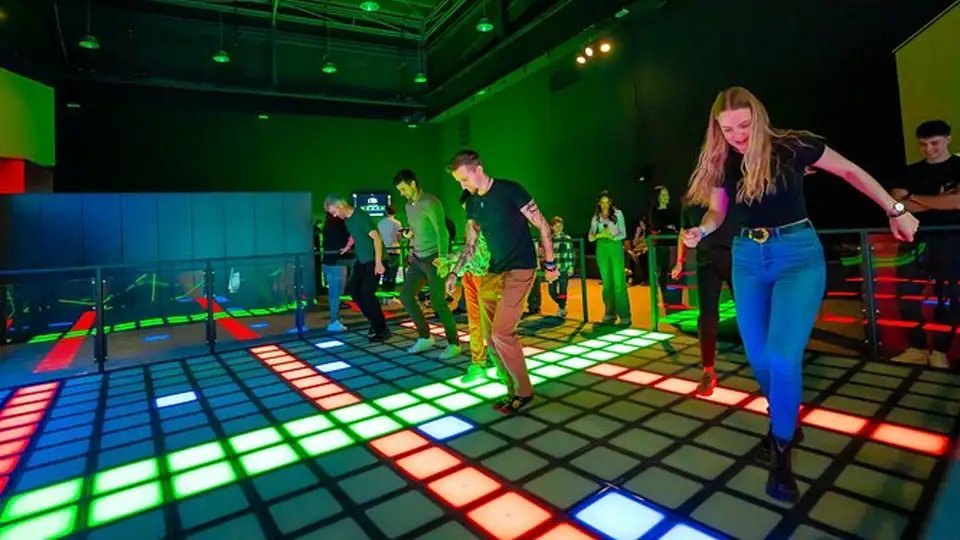
If you are exploring modern entertainment concepts, you’ve likely come across systems inspired by activate games floor experiences. These environments represent a major shift away from traditional arcade machines toward immersive, movement-based gameplay. Instead of relying on screens and controllers, players interact physically with lighting grids, sensors, and real-time feedback systems. This transformation has led to the rapid growth of solutions like the Interactive Game Floor, which provides a more scalable and flexible alternative for commercial venues.
If you’re new to this concept, we recommend reading our complete guide:
👉 https://victoractivategames.com/what-is-interactive-game-floor/
In today’s competitive market, entertainment operators are constantly searching for attractions that deliver both engagement and efficiency. Compared to traditional Activate Game Equipment, modern interactive gaming floor systems provide higher throughput, easier maintenance, and better long-term ROI. This article explains how Activate-style systems work, their limitations, and why LED-based platforms like Pixel Floor and LED Game Tiles are becoming the preferred choice.
Key Takeaways
- activate games floor systems focus on physical gameplay rooms
- Interactive Game Floor offers scalable, modular deployment
- interactive gaming floor improves operational efficiency
- LED Grid Game mechanics increase replay value
- LED-based systems reduce long-term maintenance costs
How Activate-Style Gaming Systems Work
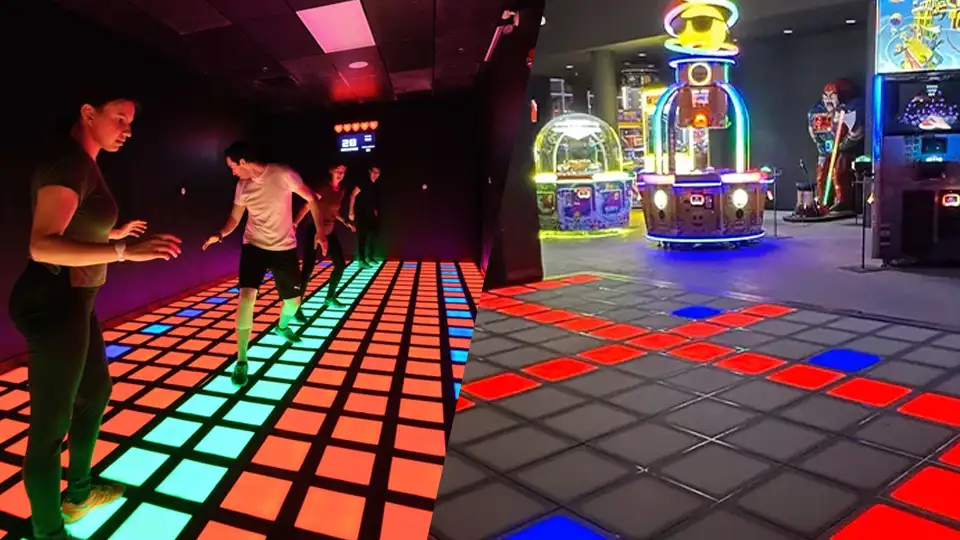
Activate-style environments are typically built around multiple challenge rooms, each offering a different gameplay objective. These systems rely on motion sensors, pressure triggers, and LED feedback similar to activate games floor, but they are often more complex in structure and installation.
Core Gameplay Logic
Players enter a room and interact with illuminated targets, attempting to complete timed challenges. Systems such as the Mega Grid system and Super Grid LED floor demonstrate how real-time feedback increases engagement. However, unlike a Interactive Game Floor, each room is limited to a single experience, reducing flexibility and increasing operational constraints.
Equipment Structure
Most Activate Game Equipment setups include wall-mounted sensors, LED panels, and centralized control systems. While effective, this design requires more space and higher installation costs compared to modular LED Game Tiles used in a Interactive Game Floor.
Limitations of Traditional Activate Systems
Although popular, activate games floor setups present several operational challenges. First, they require multiple rooms, which significantly increases construction costs. Second, maintenance often requires specialized technicians, leading to higher long-term expenses.
In contrast, a Interactive Game Floor uses modular tile-based systems that can be replaced individually. This reduces downtime and simplifies maintenance. Additionally, platforms like activate games floor allow flexible layout adjustments, making them suitable for both small and large venues.
Why Interactive Game Floor Is Taking Over
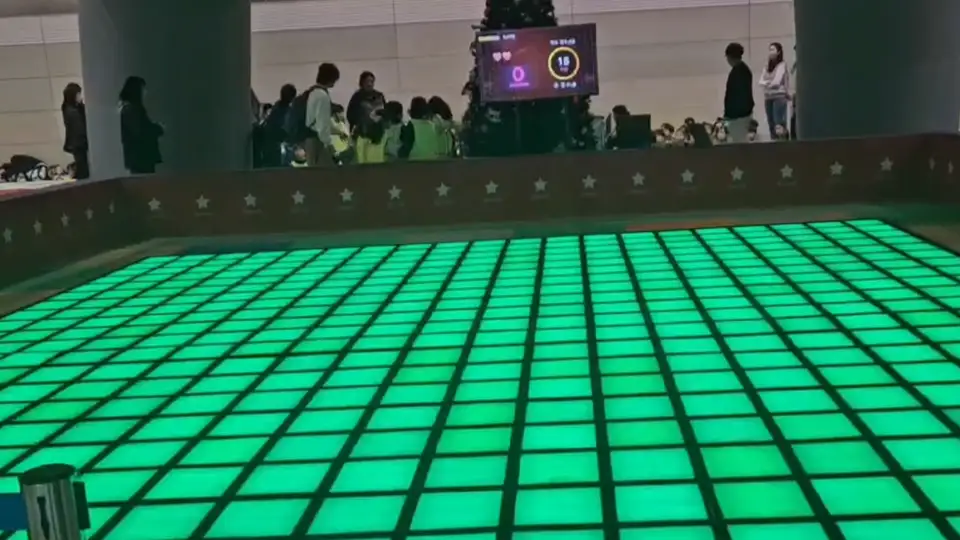
Modern entertainment operators are increasingly choosing Interactive Game Floor systems due to their flexibility and scalability. Unlike Activate-style environments, a single floor can host multiple game modes, allowing operators to maximize space utilization.
For commercial deployment, you can explore our system here:
👉 https://victoractivategames.com/product/interactive-game-floor
Additionally, many venues combine floor systems with attractions like:
👉 https://victoractivategame
This combination enhances customer engagement and extends playtime.
According to industry insights from IAAPA:
👉 https://www.iaapa.org/
interactive attractions are becoming a core driver of revenue in modern entertainment centers.
Interactive Game Floor vs Activate: What Fits Your Venue
Compare the model that fits your space and budget. Our Interactive Game Floor gives you owned hardware, no per-play fees, and full venue control.